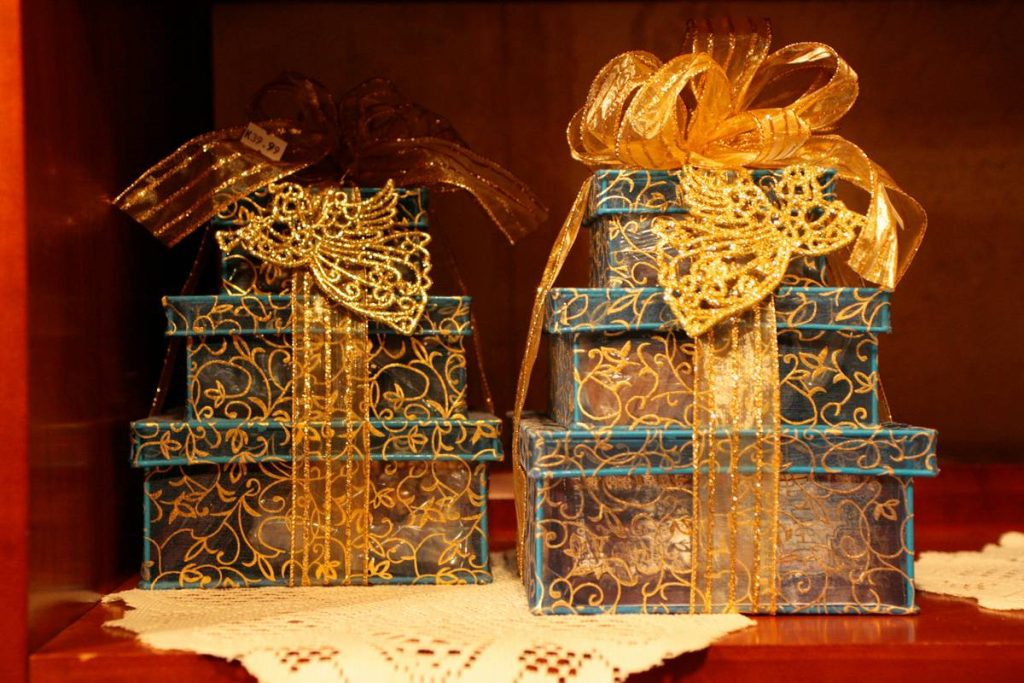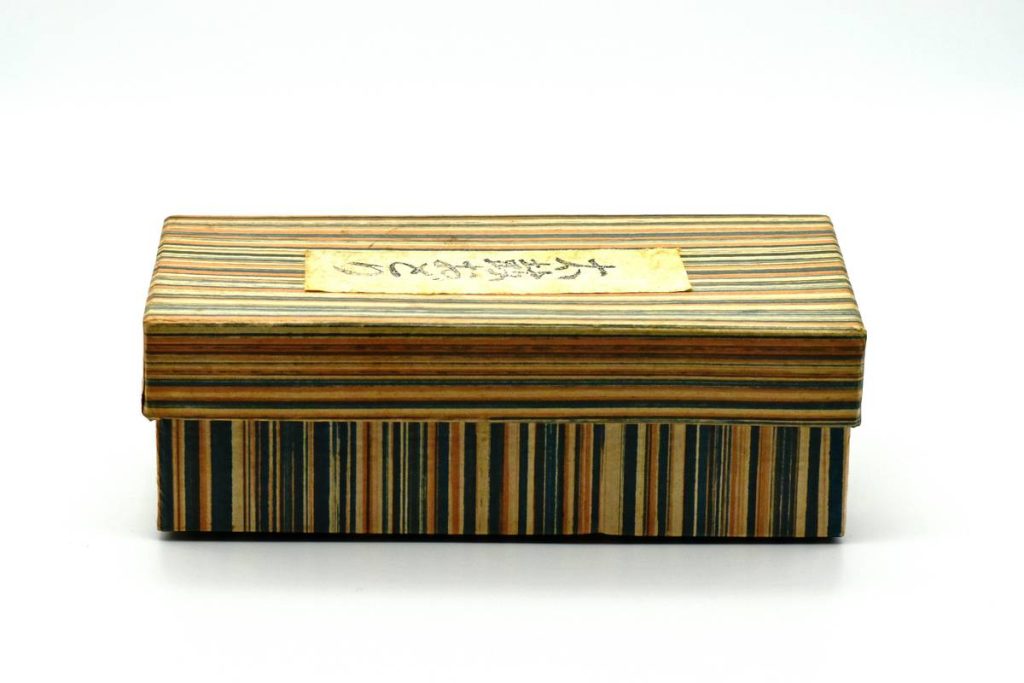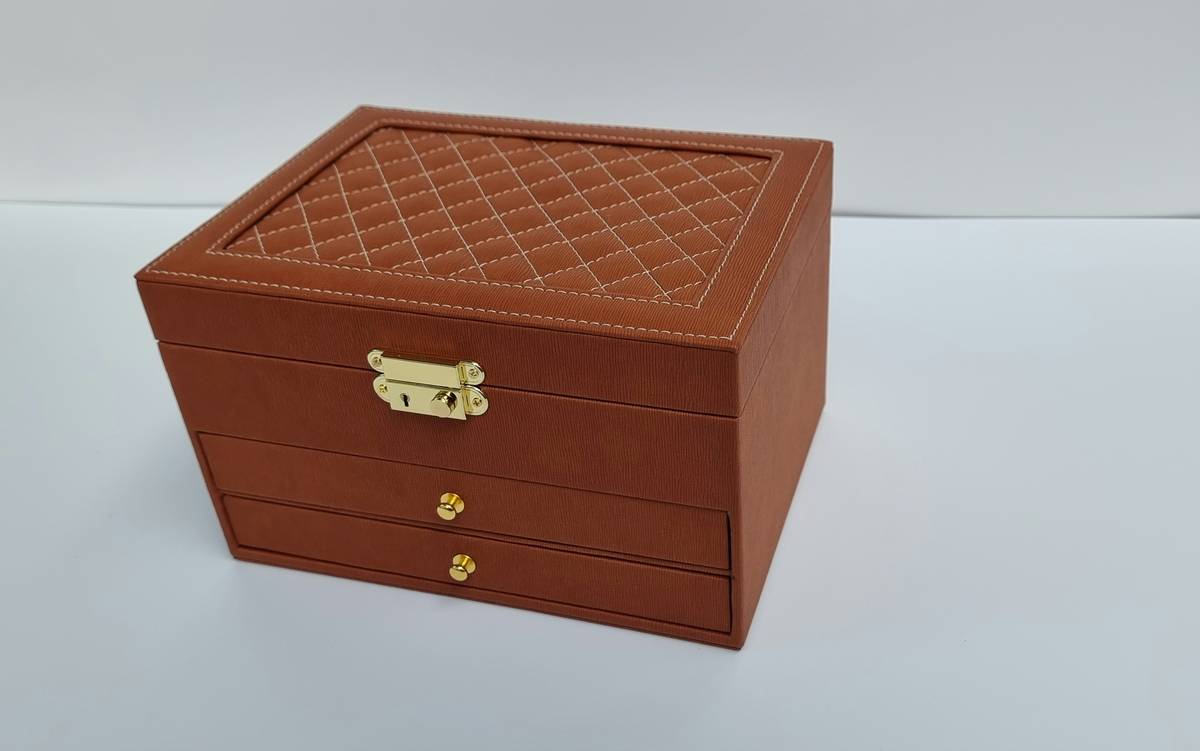
You’ve got ticket stubs from your first concert. Letters tied with faded ribbon. A tiny pair of baby shoes tucked in a drawer. But they’re drowning in plastic bins, shoeboxes, or—worse—scattered across your nightstand like forgotten afterthoughts. It’s not just messy—it feels disrespectful to what those items mean. What if you could honor them without cluttering your space? Enter the decorative keepsake storage box: equal parts museum display and functional furniture.
Why Most People Fail at Preserving Memories Gracefully
Paper yellows. Fabric frays. Plastic containers crack under basement humidity. And let’s be honest—most “memory boxes” look like afterthoughts from dollar stores.
The problem isn’t sentimentality; it’s strategy. You wouldn’t store vintage wine in a milk carton. So why treat irreplaceable mementos like junk?
Standard storage ignores three critical needs: environmental protection (light, moisture, dust), aesthetic integration (it should belong in your living room), and intuitive access (not buried behind 12 other boxes). Skip any one—and your keepsakes suffer.
How to Choose & Use a decorative keepsake storage box Like a Pro
Forget impulse buys. Start with intention. Ask: What era of life am I preserving? Whose story am I curating? Then match material, size, and style to that narrative—not your decor mood board.
Material Matters More Than You Think
Wood breathes. Metal resists pests. Ceramic blocks light completely. Each has trade-offs. Cedar repels moths but can off-gas oils. Lacquered boxes look stunning—but avoid direct sunlight or the finish fades in months.
Size Isn’t Just About Capacity
A 10″x7″ box fits love letters and Polaroids perfectly. Go bigger for baby clothes or heirloom quilts. But oversized boxes encourage dumping—defeating the whole purpose of curation. Limit yourself. Edit ruthlessly.
Placement Dictates Longevity
That gorgeous sunlit windowsill? Death row for paper. Opt for interior shelves, closet interiors, or under-bed spaces with stable temps. Humidity swings wreck more keepsakes than time itself.
| Material Type | Best For | Avoid If… | Price Range |
|---|---|---|---|
| Solid Wood (e.g., walnut, cherry) | Letters, photos, small textiles | You live in high-humidity zones (without climate control) | $45–$180 |
| Ceramic/Porcelain | Jewelry, coins, tiny trinkets | You need frequent access (heavy lids, fragile) | $30–$120 |
| Acid-Free Cardboard + Linen Wrap | Archival documents, pressed flowers | Your space lacks climate stability | $20–$65 |
| Hand-Tooled Leather | Travel souvenirs, diaries | You have pets (scratches ruin finishes) | $70–$250 |
The Industry Secret: Your Box Should “Edit” For You
Here’s what no brand tells you: the right decorative keepsake storage box enforces discipline. Limited space = forced prioritization. That’s the point.
I worked with a client who inherited 30 years of her grandmother’s letters. We chose a box with three divided sections—childhood, marriage, widowhood. She had to choose only 12 letters per era. Painful? Yes. But now those selections carry unbearable weight—in the best way.
Boxes aren’t passive containers. They’re silent editors. And that’s how memories gain meaning: through subtraction, not accumulation.
Frequently Asked Questions
What’s the best wood for a keepsake box?
Cherry and maple resist warping and won’t off-gas harmful acids. Avoid pine—it’s porous and emits resin that stains paper over time.
Can I store photos in a decorative keepsake storage box?
Yes—if lined with acid-free paper and kept away from direct light. Never use standard cardboard inserts; they yellow and bleed acidity within months.
How often should I open my keepsake box?
Check every 6–12 months for mold or pests. But limit handling—oils from skin accelerate paper degradation. Use cotton gloves if you must touch items.