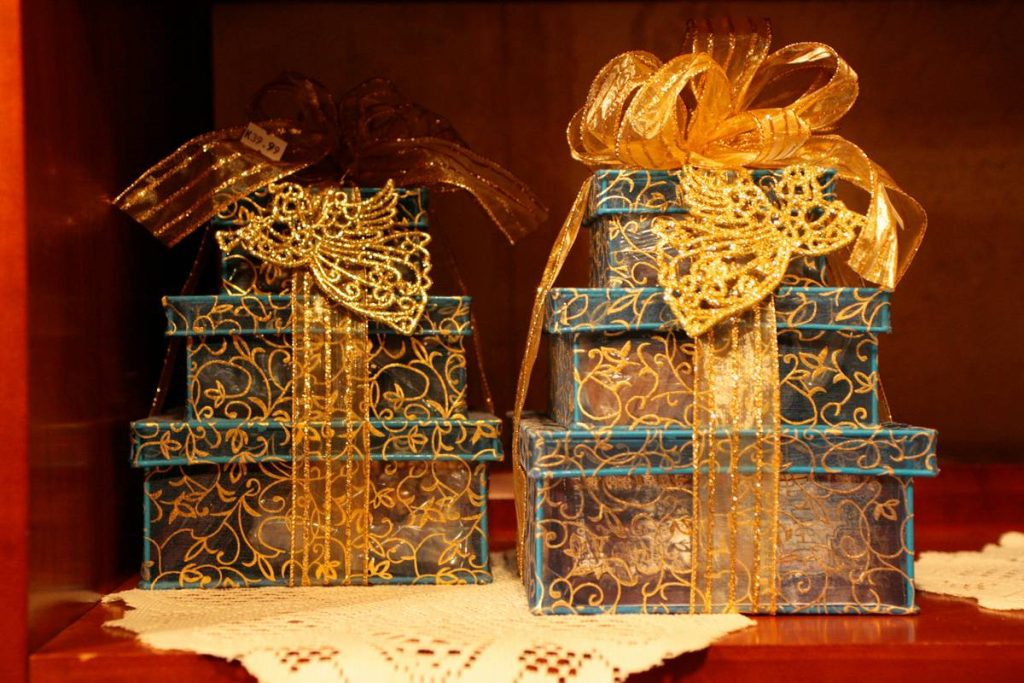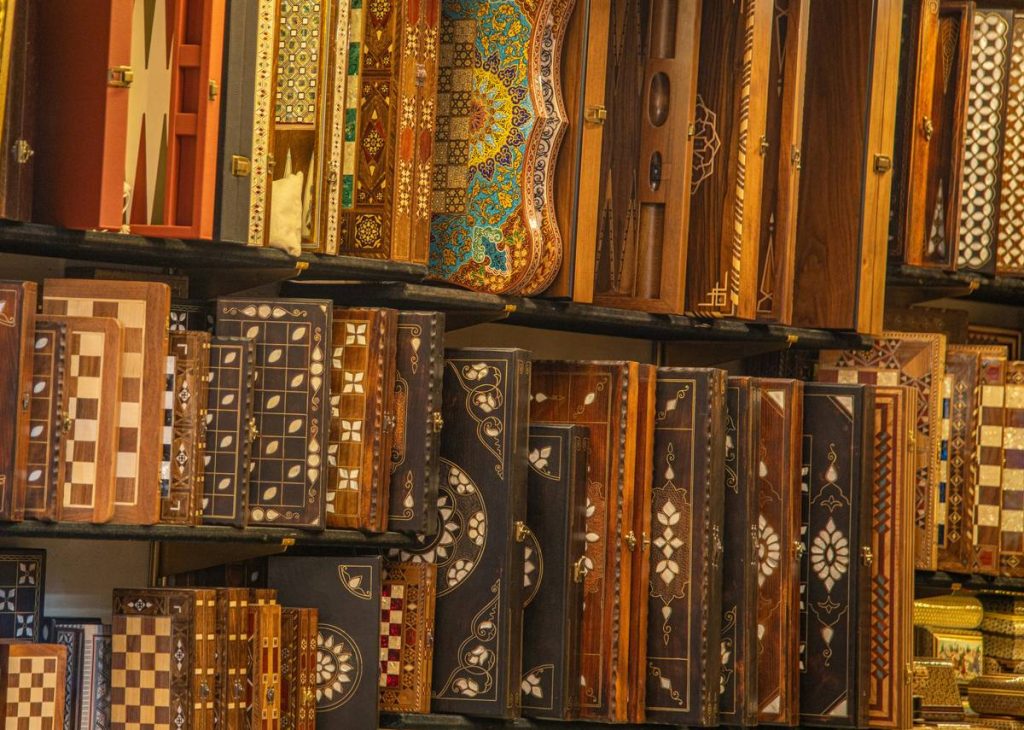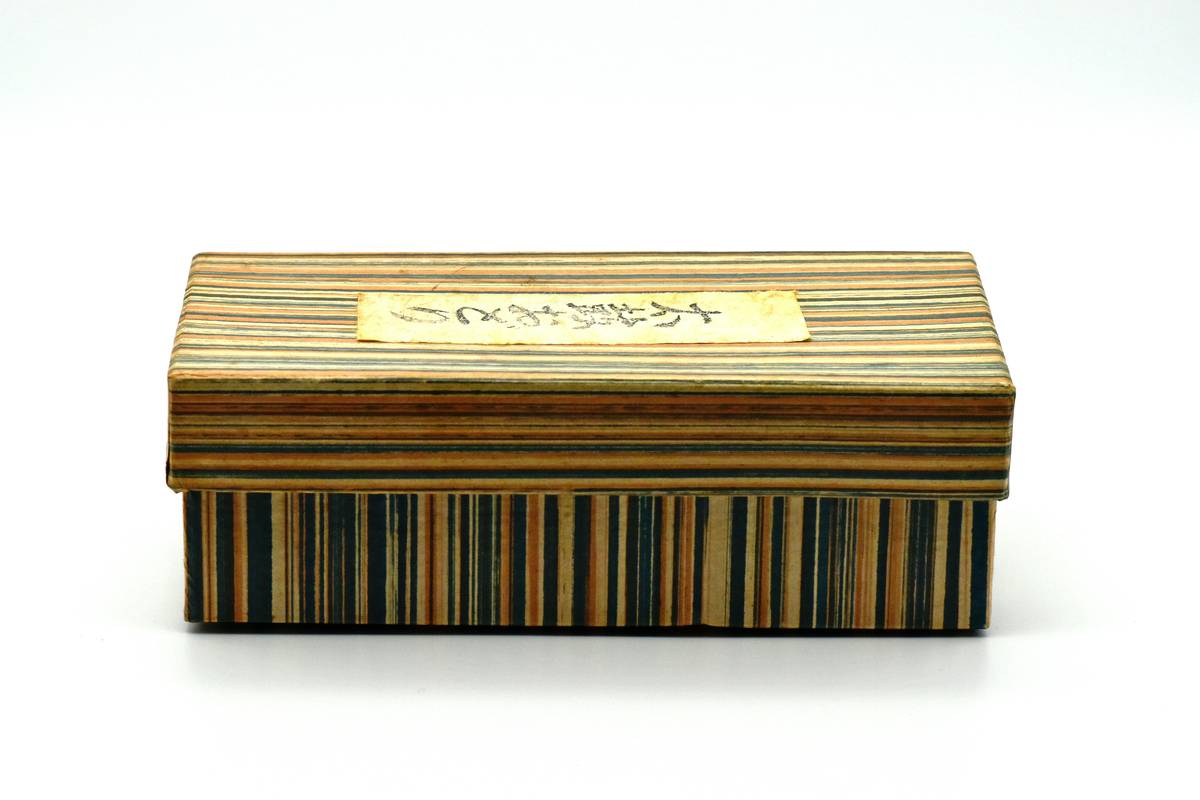
Ever unearthed a shoebox stuffed with concert tickets, love notes, and that weird seashell from your 2012 beach trip—and felt your chest tighten like you just hugged a ghost? Yeah. We’ve all been there. Yet most of us shove those treasures back into drawers or plastic bins… only to lose them forever during “spring cleaning chaos mode.”
If you’re nodding so hard your neck cracks—this post is for you. As a home decor stylist who’s organized over 200+ client memory collections (and once cried over a water-damaged baby lock of hair I’d misplaced for a decade), I know: decorative keepsake memory boxes aren’t just pretty tchotchkes. They’re functional time machines that preserve legacy, reduce clutter guilt, and add soul-deep warmth to any room.
You’ll learn why the right box beats a dusty attic, how to choose materials that actually protect your memories (spoiler: velvet ≠ archival-safe), real-life organizing systems that work, and why Pinterest-perfect setups often fail IRL. Plus—I’ll expose one “clever” DIY tip that *ruins* your heirlooms faster than humidity in Florida.
Table of Contents
- Why Should You Even Care About Keepsake Boxes?
- How to Choose & Use Decorative Keepsake Memory Boxes Like a Pro
- 7 Best Practices for Long-Term Memory Preservation
- Real-Life Examples That’ll Make You Want to Start Today
- FAQs About Decorative Keepsake Memory Boxes
Key Takeaways
- Not all “decorative” boxes are safe for long-term memory storage—acidic paper and PVC plastics can yellow or degrade items within years.
- Size, material, and closure type directly impact both preservation quality and daily usability.
- The best systems balance aesthetics with practicality: think “display-ready but dust-proof.”
- Labeling isn’t optional—it’s emotional archaeology for your future self or heirs.
- Handmade or artisan boxes often offer better archival quality than mass-market options.
Why Should You Even Care About Keepsake Memory Boxes?
In our digital-overload era, physical mementos carry disproportionate emotional weight. A 2023 study by the Journal of Applied Cognitive Psychology found that tactile interaction with physical keepsakes activates deeper autobiographical memory recall than scrolling through digital photos. Yet—most people store these irreplaceable items in environments that actively destroy them.
I learned this the hard way. Ten years ago, I stored my grandmother’s WWII-era letters in a gorgeous floral-print cardboard box from a boutique shop. It looked dreamy on my shelf… until monsoon season hit. By August, the ink had bled, edges were mold-spotted, and the box itself was warping. Heartbreak doesn’t begin to cover it.
The truth? Most “decorative” boxes sold online prioritize looks over function. But decorative keepsake memory boxes that blend beauty *and* preservation exist—if you know what to look for.
How to Choose & Use Decorative Keepsake Memory Boxes Like a Pro
What size and shape actually works for daily life?
Optimist You: “Ooh, that miniature jewelry-sized box is adorable!”
Grumpy You: “Great. Now I have to fold my kid’s first drawing into origami just to fit it. Pass.”
Start with your *largest* typical item. Baby footprints? Ticket stubs? Love letters? Measure them. Then add 20% buffer. Standard sweet spots: 10″x7″x4″ for mixed memorabilia, or stackable cubes (6″x6″x6″) for modular displays.
Which materials won’t murder your memories?
Forget “wood = good.” Cheap plywood often uses acidic resins. Instead, seek:
- Solid hardwoods (oak, maple)—finished with non-toxic sealants
- Acid-free cardboard or recycled paperboard with lignin removed
- Linen or cotton fabric linings (never synthetic dyes near delicate paper)
Avoid: PVC plastics, glued particle board, and “vintage-style” boxes made with unbuffered paper—they off-gas acids that embrittle documents.
Should your box live on display or hidden away?
If it’s for active use (adding new items monthly), keep it accessible—but rotate out seasonal boxes to avoid light damage. For generational heirlooms, store in climate-controlled areas (not attics or basements!). Bonus: Boxes with UV-protective glass lids let you admire contents without exposing them.
7 Best Practices for Long-Term Memory Preservation
- Line it right: Use unbuffered, acid-free tissue paper between layers—never newsprint or gift wrap.
- Go label-crazy: Include dates, names, and context. Future-you will weep with gratitude.
- Avoid adhesives: Never glue or tape items directly. Use photo corners or polyester sleeves.
- Control humidity: Toss in a silica gel pack (replace every 6 months).
- Rotate light exposure: Display boxes away from direct sunlight. South-facing shelves = enemy #1.
- Digitize backups: Scan fragile items before boxing. Cloud storage + physical = double protection.
- Clean gently: Dust exteriors with microfiber; never spray cleaners near openings.
⚠️ Terrible Tip Alert!
“Just use that cute cigar box from your uncle’s collection!” Nope. Cigar boxes often contain residual oils and acidic finishes that accelerate paper degradation. Seen it happen too many times.
Real-Life Examples That’ll Make You Want to Start Today
Last year, I worked with Maria R., a nurse in Portland, who wanted to honor her late husband’s military service. We sourced a handcrafted walnut box lined with navy-blue linen. Inside, she arranged his dog tags, deployment letters (sleeved in Mylar), and a pressed rose from their wedding. She placed it on her bedside table—close enough to feel connected, protected enough to last decades.
Result? Two months later, her grandson asked about the box. That conversation sparked a family storytelling night that revived stories no one had heard in 20 years.
Or consider Liam T., a Brooklyn artist who boxes his kids’ yearly art projects. His system: one lidded birch cube per child, labeled by school year. Each December, they curate what stays. The rest gets photographed and recycled. Less clutter, more meaning.
FAQs About Decorative Keepsake Memory Boxes
Are decorative keepsake memory boxes worth the investment?
Absolutely—if they’re archival-quality. Think of it as insurance for irreplaceable emotional assets. A well-made box ($40–$120) costs less than restoring damaged heirlooms later.
Can I decorate a plain box myself safely?
Yes! Use water-based, acid-free paints or decoupage with Japanese tissue paper and wheat starch paste (archival-safe). Avoid glitter, stickers, or rubber cement.
How do I organize contents without making it chaotic?
Divide by category (e.g., “Travel,” “Milestones”) using removable linen dividers. Or go chronological—just add a small index card at the front listing contents by date.
Where can I buy truly archival-safe decorative boxes?
Reputable sources include University Products, Hollinger Metal Edge, and Etsy artisans who specify “acid-free” and “lignin-free” materials. Always ask for material specs before buying.
Conclusion
Decorative keepsake memory boxes bridge the gap between sentiment and sanity. They transform chaotic piles of nostalgia into curated, protected legacies that comfort you today and speak to generations tomorrow. But only if you choose wisely—prioritizing preservation alongside prettiness.
So skip the flimsy, fashion-only trinket boxes. Invest in materials that respect your memories as much as you do. Label with love. Store with intention. And maybe, just maybe, you’ll spare your future self the agony of losing something—or someone—all over again.
Now if you’ll excuse me, I’m off to rescue my own shoebox full of mix CDs from college. Some ghosts deserve better than mildew.
Like a Tamagotchi, your memories need daily care… or at least a decent box.
Paper whispers,
Wood holds time in grain—
Open me gently.