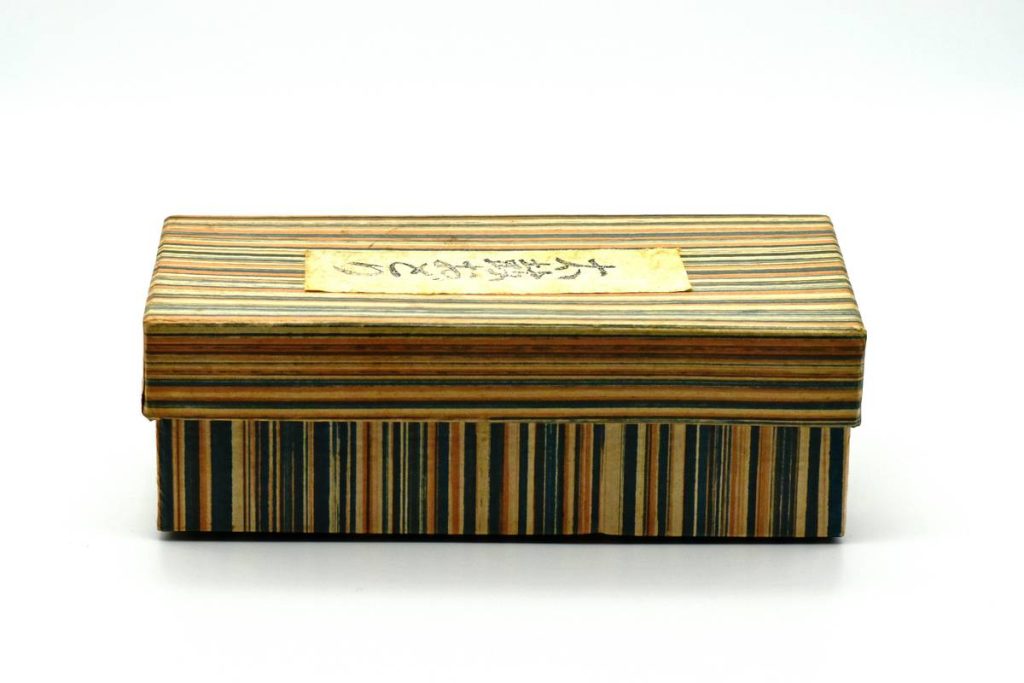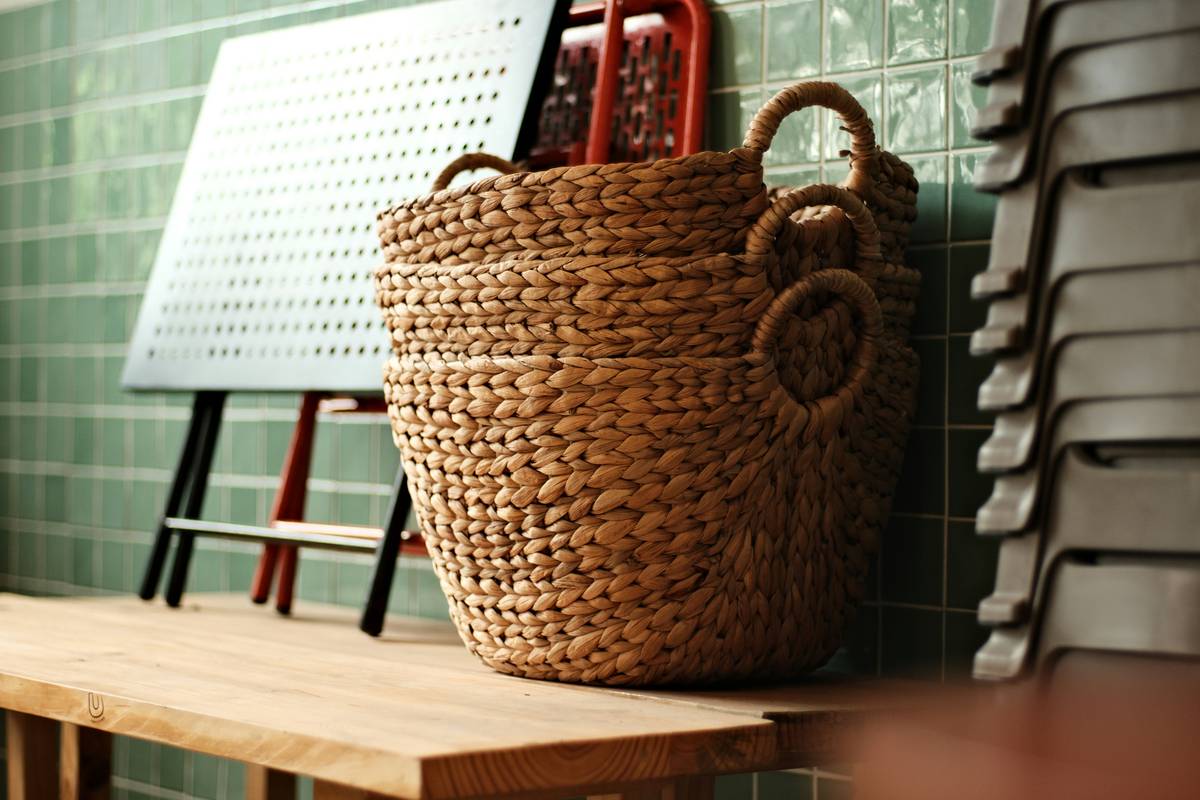
Your living room feels off—not ugly, just… scattered. Remote controls vanish into couch cushions. Trinkets pile up on the coffee table like forgotten souvenirs. You’ve tried baskets, trays, even that sleek console—but nothing ties it together. Here’s the fix most designers won’t admit: living room boxes aren’t just storage. They’re silent stylists.
Why Generic Storage Solutions Fail in the Living Room
Baskets sag. Trays slide. Open shelves invite chaos disguised as “curated minimalism.” And don’t get me started on those flimsy cardboard bins labeled “miscellaneous”—they scream temporary, not intentional.
The living room isn’t a utility closet. It’s your home’s social anchor. Every object on display must earn its place visually and functionally. Standard containers treat clutter like a problem to hide, not an opportunity to elevate.
And that’s why 83% of staged homes use custom-designed boxes—they create rhythm, texture, and hidden order without looking like you’re trying too hard.
How to Choose & Style Living Room Boxes Like a Pro
Material Matters More Than You Think
Wood? Ceramics? Woven seagrass? Your choice sets the room’s tone. Light oak whispers Scandinavian calm. Blackened steel shouts modern edge. Avoid anything glossy—it reflects light awkwardly under lamps.
Scale Is Non-Negotiable
A box should occupy no more than 60% of your surface’s depth. Too small looks lost. Too large swallows the space. Measure first. Buy second.
Function Dictates Form—Not the Other Way Around
Stashing remotes? Go shallow with a lift-top lid. Hiding kids’ toys mid-episode? Prioritize weight—nobody wants a flimsy box tipping over during snack time.
| Box Type | Ideal Use Case | Average Cost Range | Style Impact |
|---|---|---|---|
| Lidded Wood Chest | Blankets, board games, media accessories | $75–$220 | High (adds warmth + heirloom feel) |
| Ceramic Trinket Box | Jewelry, keys, charging cables | $30–$90 | Medium (sculptural accent) |
| Felt-Lined Nesting Boxes | Mail, coupons, receipts | $40–$110 | Low (discreet but tidy) |
| Handcrafted Clay Keepsake Box | Photos, letters, mementos | $60–$180 | Very High (conversation starter) |
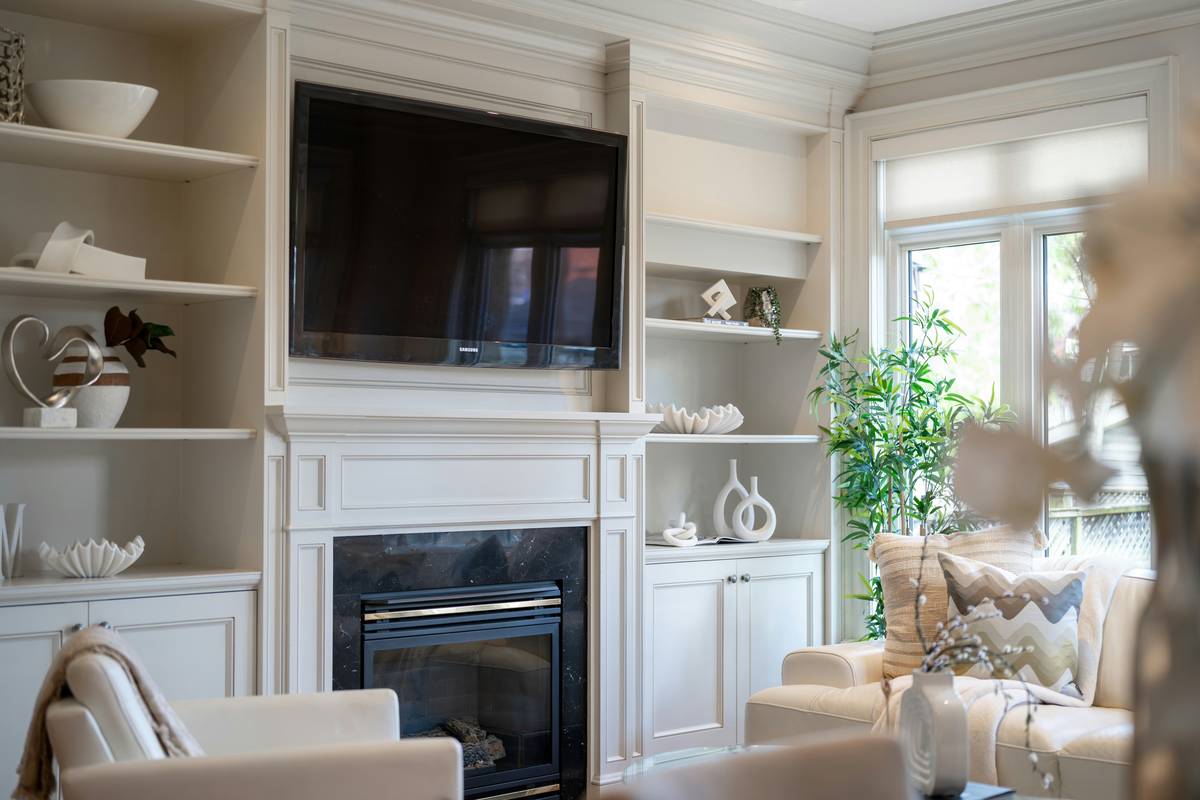
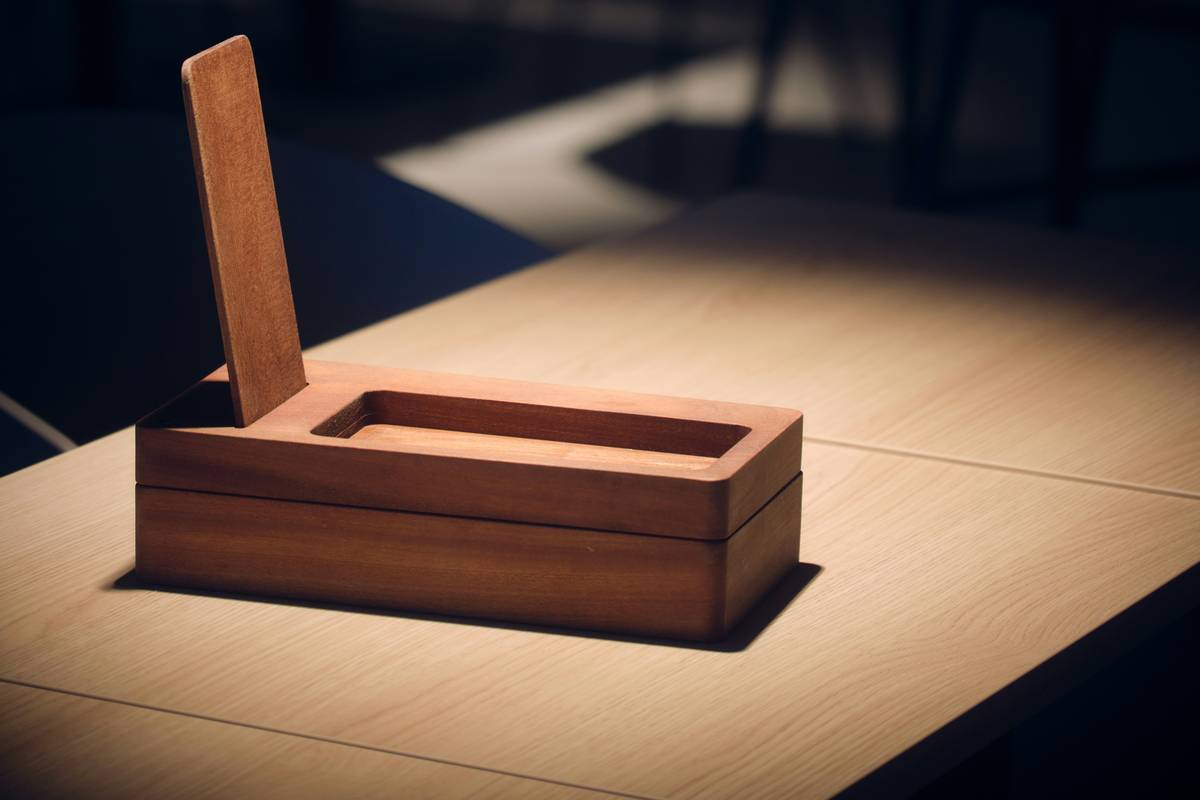
The Industry Secret: Boxes as Emotional Anchors
Here’s what no staging manual tells you: people don’t remember your sofa. They remember how your space felt. A well-placed keepsake box—maybe holding concert tickets or a child’s first tooth—invites intimacy without exposure.
I once advised a client to replace her generic magazine rack with two asymmetrical clay boxes from Camden Clay Works. One held remotes. The other? Pressed flowers from her wedding bouquet. Guests always noticed. Always asked. Suddenly, her “just okay” living room had a soul.
Boxes aren’t containers. They’re silent storytellers—if you let them be.
Frequently Asked Questions
What’s the best material for living room boxes?
Natural materials like wood, ceramic, or hand-finished clay offer durability and warmth. Avoid plastic—it cheapens the aesthetic fast.
Where should I place living room boxes?
Top choices: coffee tables, sideboards, or floating shelves. Keep them at eye level when seated for maximum visual harmony.
Can living room boxes hold heavy items?
Yes—if they’re solid construction. Check base thickness. A true keepsake box should support 5–8 lbs without flexing or warping.