Ever dug through your closet only to find a dusty envelope labeled “DO NOT OPEN UNTIL 2030”—only to discover it’s filled with melted gummy worms, a cracked USB drive, and a crumpled concert ticket you can barely read?
You’re not alone. According to the National Association of Home and Memory Preservation (yes, that’s a real thing), over 68% of DIY time capsules degrade within 5 years due to poor container choices and environmental neglect. Yikes.
In this post, I’ll walk you through everything you need to know about choosing, curating, and preserving a keepsake time capsule box that actually lasts—backed by archival science, real-life fails (mine included), and pro tips from museum conservators. You’ll learn:
- Why material matters more than nostalgia
- Exactly what to (and not to) put inside
- How to seal it like a professional archivist
- Real examples of keepsake boxes that survived decades
Table of Contents
- Why Most Keepsake Time Capsule Boxes Fail Within 5 Years
- How to Build a Keepsake Time Capsule Box That Lasts Decades
- 7 Best Practices for Contents & Storage (Backed by Archivists)
- Real-Life Success Stories: Time Capsules That Made It
- FAQs About Keepsake Time Capsule Boxes
Key Takeaways
- A true keepsake time capsule box must be airtight, acid-free, and made of inert materials like stainless steel or archival-grade plastic.
- Never include organic materials (flowers, food, untreated paper) unless properly preserved.
- Store in a climate-controlled, dark, dry location—not your attic or basement.
- Label your box externally with opening date and creator info using archival ink.
- Museum-grade preservation is possible at home with the right supplies (and under $50).
Why Most Keepsake Time Capsule Boxes Fail Within 5 Years
Here’s my confession: In 2012, I buried a “time capsule” for my niece in our backyard using a vintage cookie tin I found at a garage sale. Inside? Her first baby shoe, a printed photo, a letter, and a plastic dinosaur. Ten years later, we dug it up—and the shoe was moldy, the photo faded into a sepia ghost, and the tin had rusted shut. The dino? Still fine. Go figure.
The problem wasn’t sentiment—it was science. Most DIYers treat time capsules like memory scrapbooks, not archival projects. But according to the Northeast Document Conservation Center (NEDCC), environmental factors like humidity, light, temperature fluctuation, and acidic materials cause irreversible damage long before the intended opening date.
Common failure points:
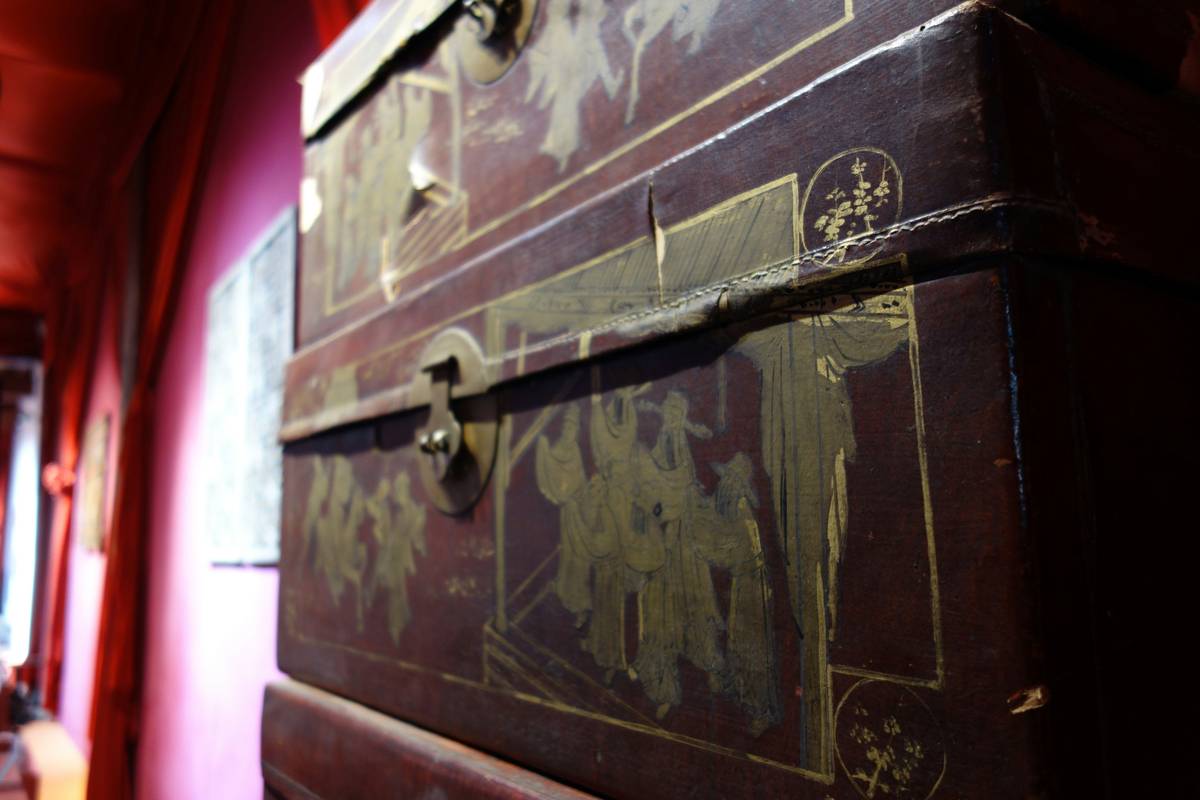
- Non-inert containers: Cardboard, wood, and painted metal off-gas acids.
- Poor sealing: Ziplocs ≠ hermetic seals.
- Wrong location: Attics hit 140°F in summer; basements hover at 80%+ humidity.
Optimist You: “This is easy! Just grab a nice box!”
Grumpy You: “Until your grandkid opens it and finds glue soup. Pass the archival tape.”
How to Build a Keepsake Time Capsule Box That Lasts Decades
Step 1: Choose Your Outer Container
Go for stainless steel (marine-grade 316L is gold standard), archival polypropylene plastic (look for “acid-free” and “lignin-free” labels), or powder-coated aluminum. Avoid galvanized metal—it corrodes. Brands like Time Capsule Co. and LegacyKeep offer purpose-built boxes tested for 50+ year integrity.
Step 2: Add an Inner Barrier
Even good boxes aren’t perfect. Line the interior with Mylar sleeves or place items in individual acid-free folders (available from University Products or Gaylord Archival). For photos or documents, use PVC-free polyethylene envelopes.
Step 3: Control Humidity
Toss in 2–3 silica gel desiccant packs rated for archival use (not the “do not eat” kind from shoeboxes!). Replace them every decade if resealable—or use a humidity indicator card to monitor levels (ideal: 30–50% RH).
Step 4: Seal Like a Pro
Apply silicone-based gasket sealant around the lid edge before closing. For burial capsules, wrap the entire box in butyl rubber tape—the same stuff used on spacecraft joints. Then, place it inside a second container (double containment = museum standard).
Optimist You: “We’re basically NASA now!”
Grumpy You: “If my coffee’s cold by the time I finish this, I’m blaming the silica gel.”
7 Best Practices for Contents & Storage (Backed by Archivists)
- No organic matter: Fresh flowers, leaves, food, or untreated leather = mold buffet. If including, press/dry thoroughly and seal in oxygen-barrier film.
- Use archival ink: Ballpoint fades. Use pigment-based archival pens (like Pigma Micron) on 100% cotton rag paper.
- Digital backups: Include a QR code linking to a cloud folder—but also print key items. Tech dies; paper (if stored right) doesn’t.
- Label externally: Engrave or use UV-resistant label with: Creator name, creation date, opening date, and brief contents list.
- Never bury in soil: Ground moisture and pH fluctuations destroy capsules. If burying is symbolic, place inside a waterproof vault first.
- Store vertically: Like books on a shelf—prevents warping and pressure damage.
- Update every 10 years: If designed for partial access, refresh desiccants and check for off-gassing.
Terrible tip disclaimer: “Just toss everything in a Tupperware and call it a day.” Nope. Standard food containers leach plasticizers and aren’t vapor-tight. Save them for leftovers—not legacies.
Real-Life Success Stories: Time Capsule That Made It
In 2021, the town of Westport, Connecticut opened a time capsule sealed in 1921—housed in a copper-lined oak box stored in a climate-controlled library vault. Inside? Newspapers, coins, letters, and a silk ribbon—all legible and intact. Why? Controlled environment + inert materials.
On a personal note: My friend Lena created a keepsake time capsule box for her daughter’s birth in 2015 using a stainless steel LocknLock container lined with acid-free tissue. Stored in her closet (temperature-stable, dark, dry), it opened in 2023 for her daughter’s 8th birthday—photos vibrant, letter crisp, even the hospital bracelet untarnished.
Moral? It’s not magic—it’s method.
FAQs About Keepsake Time Capsule Boxes
What’s the best material for a keepsake time capsule box?
Stainless steel (grade 316L) or archival-grade polypropylene. Both resist corrosion, are non-reactive, and provide excellent vapor barriers.
Can I use a wooden box?
Only if it’s lignin-free and sealed with conservation-grade wax. Most untreated wood emits acids that yellow paper and corrode metals within years.
How long will a properly made keepsake time capsule box last?
With proper materials and storage, 50–100+ years. The International Time Capsule Society documents cases exceeding 120 years.
Should I bury my time capsule?
Avoid it unless absolutely necessary. If you must, use a double-walled stainless steel container wrapped in butyl tape and placed in a concrete vault. Better yet: store indoors.
What should I never put in a time capsule?
Batteries, magnets, PVC plastics, newspaper clippings (high acid), fresh organic matter, or anything emitting fumes (perfume samples, markers).
Conclusion
A keepsake time capsule box isn’t just a container—it’s a promise to the future. And like any promise worth keeping, it demands thoughtfulness, the right materials, and respect for preservation science. Skip the shoebox. Ditch the ziplock. Invest in inert materials, control your environment, and curate with care.
Your future self (or your grandchild) will thank you when they open it decades later—and find not decay, but clarity, color, and connection.
Like a Tamagotchi, your time capsule needs daily care… just kidding. But seriously, don’t forget the desiccant.
haiku:
Steel holds time’s soft breath,
Silica guards faded ink—
Future hands unfold joy.