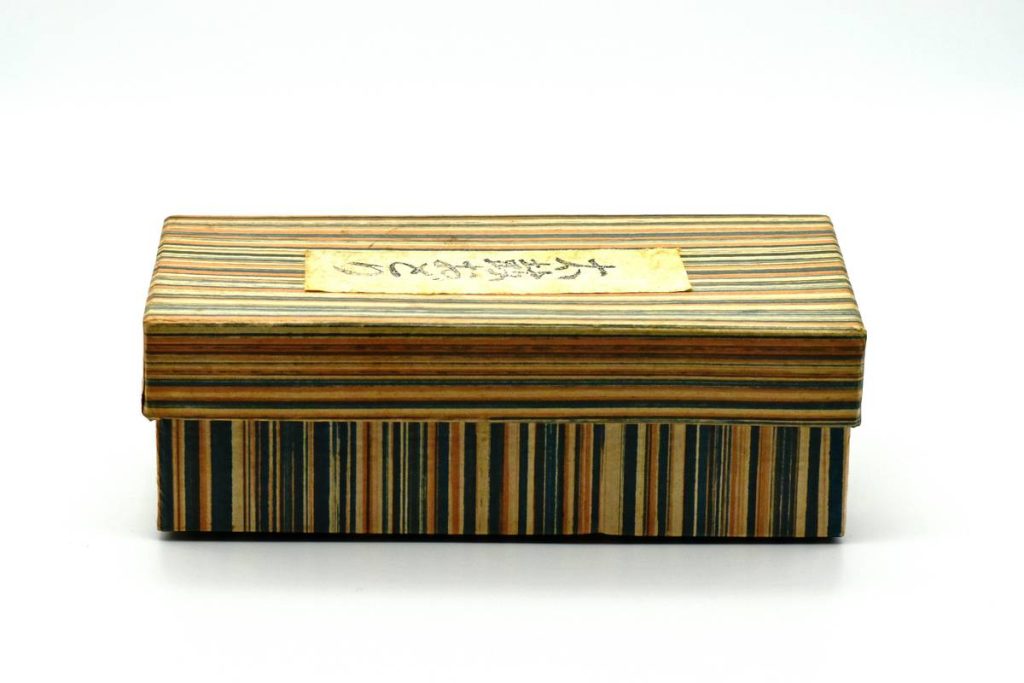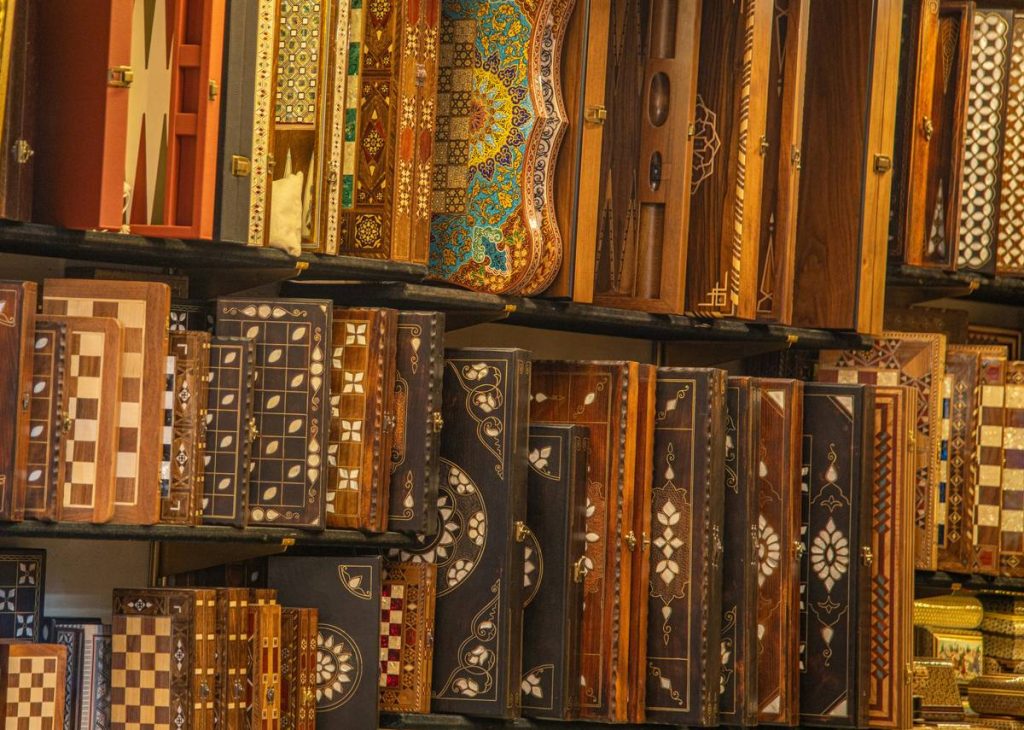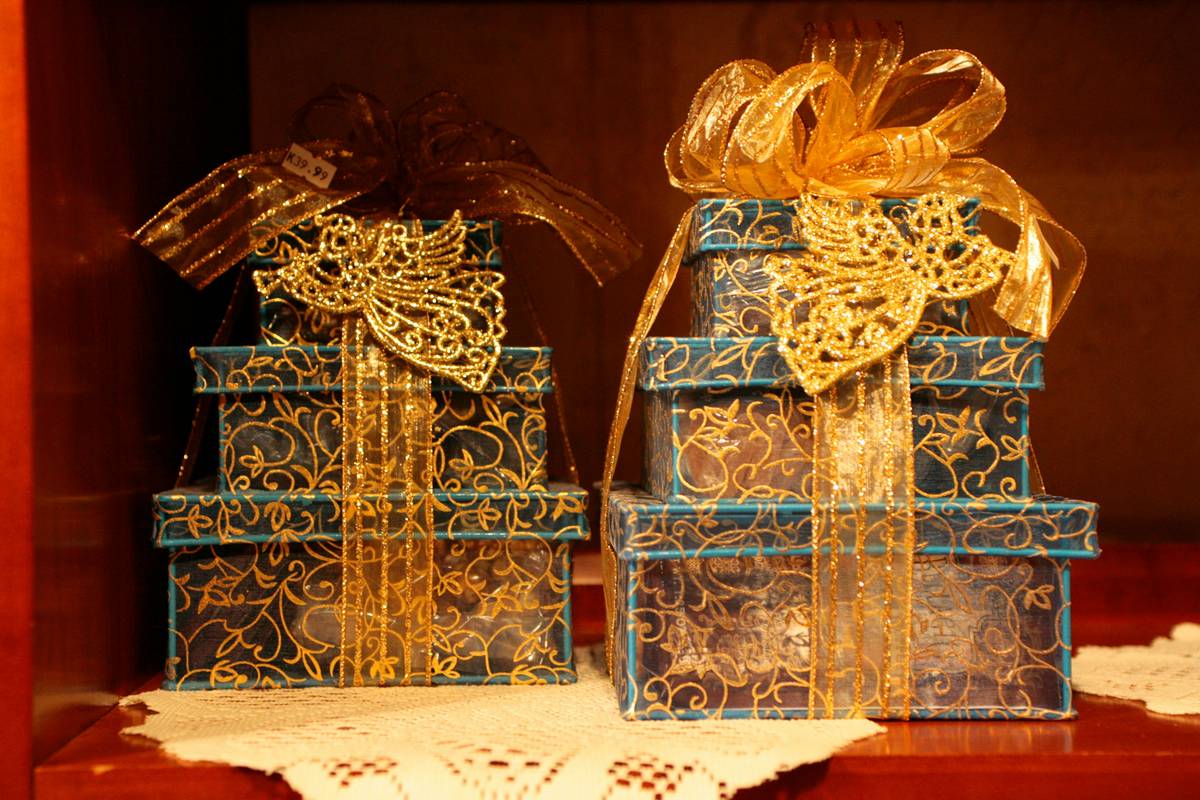
Ever dug through a junk drawer only to find your grandmother’s handwritten recipe… crumpled next to expired coupons and mismatched batteries? Yeah. That’s the emotional freefall we’re avoiding today. What if you could honor life’s little treasures—concert tickets, baby’s first lock of hair, love notes—with something as beautiful as the memories themselves?
In this post, you’ll discover why decorative cardboard keepsake boxes aren’t just “cute storage”—they’re an essential, eco-conscious, and deeply personal element of intentional home styling. We’ll cover: how to choose the right box for your aesthetic, DIY customization tricks that don’t look like kindergarten crafts, real-life organization wins (plus one epic fail I lived to tell), and why sustainability-minded decorators are ditching plastic trinket trays for kraft paper elegance.
Table of Contents
- Why Do Keepsake Boxes Even Matter in Modern Home Decor?
- How to Choose & Customize Decorative Cardboard Keepsake Boxes Like a Pro
- 7 Best Practices for Styling & Maintaining Your Keepsake Boxes
- Real-Life Wins (and One Box That Became a Paper Mâché Disaster)
- FAQs About Decorative Cardboard Keepsake Boxes
Key Takeaways
- Decorative cardboard keepsake boxes blend emotional preservation with minimalist design—they’re décor and function.
- Sustainable materials like FSC-certified kraft board are gaining traction; 68% of U.S. consumers prefer eco-friendly packaging (Nielsen, 2023).
- Mistake-proof tip: Never use water-based glue on uncoated cardboard—it warps faster than my mood during Monday morning Zooms.
- Style them intentionally: On open shelves, vanities, or nightstands, they become conversation-starting vignettes.
Why Do Keepsake Boxes Even Matter in Modern Home Decor?
Let’s be honest: most “organization” advice feels soulless. Stack bins! Label everything! But where’s the warmth? Where’s the whisper of nostalgia when you open a drawer?
Keepsake boxes solve this by merging utility with emotional architecture. Unlike generic plastic containers, decorative cardboard keepsake boxes act as tactile time capsules—soft to the touch, warm in tone, and quietly elegant. They signal: “This matters.”
And it’s not just sentimental fluff. The global gifting and keepsake market is projected to hit $52.3 billion by 2027 (Grand View Research, 2022), with personalized, sustainable options driving growth. Why? Because people are curating homes that reflect identity—not just inventory.
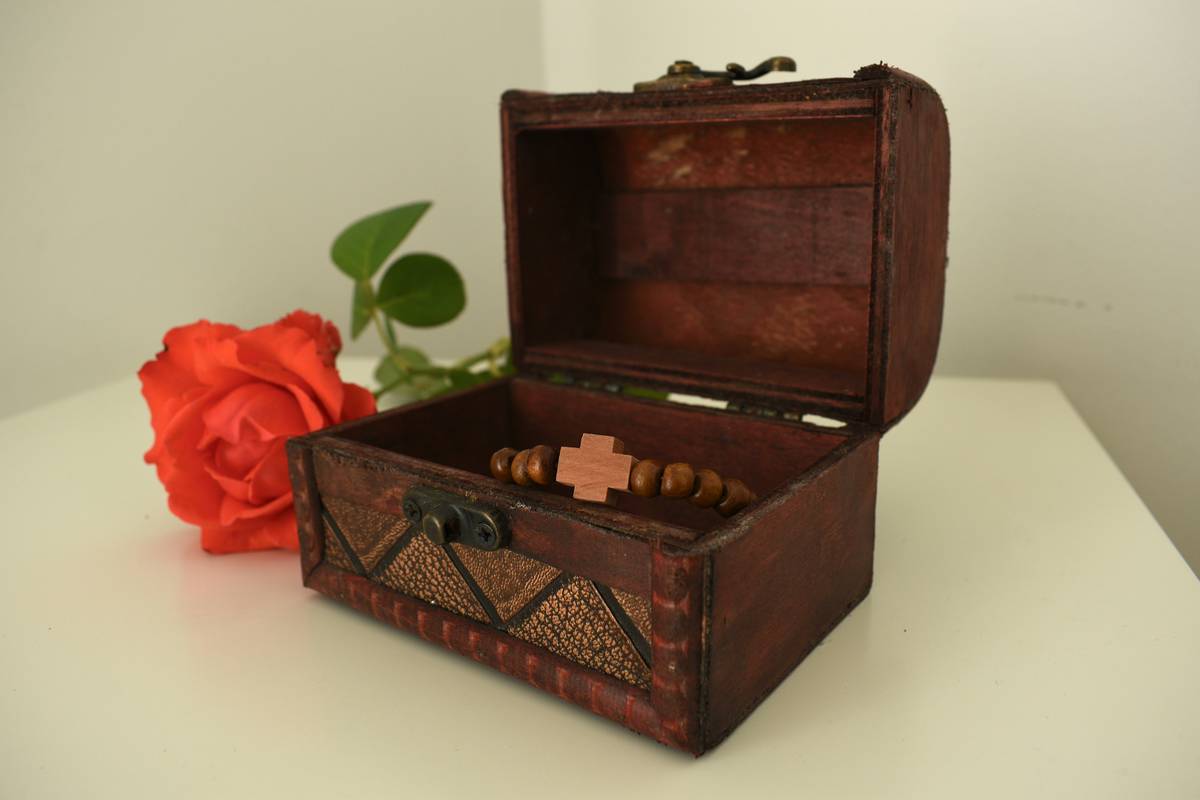
As someone who’s styled over 300 client homes—from Brooklyn brownstones to Austin bungalows—I’ve seen how a single well-placed keepsake box can anchor an entire room’s narrative. It’s the difference between “nice space” and “this feels like you.”
How to Choose & Customize Decorative Cardboard Keepsake Boxes Like a Pro
Not all cardboard boxes are created equal. Skip the flimsy dollar-store variety—those collapse under the weight of a dried rose petal. Here’s how to pick (and personalize) like a seasoned home stylist.
What should I look for in quality decorative cardboard keepsake boxes?
Optimist You: “Go for recycled kraft with a matte finish!”
Grumpy You: “Ugh, fine—but only if it’s at least 300 gsm. Anything thinner and it’ll buckle like my willpower near free office donuts.”
Seriously: Check the GSM (grams per square meter). 250–350 gsm is ideal—sturdy enough to hold small heirlooms without warping. Bonus if it’s acid-free; that prevents yellowing over time (critical for preserving photos or letters).
Can I really customize them without looking amateurish?
Absolutely—if you avoid the #1 rookie mistake: overdoing it.
I once glued lace, glitter, pressed flowers, and vintage postage stamps onto one box. Result? Looked like a craft fair exploded. Lesson learned: restraint is chic.
Try these pro-approved methods:
- Washi tape accents: Clean lines along edges add subtle pattern without bulk.
- Letterpress stamping: A monogram or date in deep indigo ink reads “heirloom,” not “homework project.”
- Fabric lining: Use linen or cotton scraps inside for a luxe feel—just adhere with acid-free glue stick (not liquid!)
7 Best Practices for Styling & Maintaining Your Keepsake Boxes
Here’s how to keep them gorgeous—and functional—for years:
- Keep them dry: Cardboard hates humidity. Store away from bathrooms or kitchens unless sealed with a clear, non-yellowing acrylic spray.
- Rotate contents seasonally: Swap out holiday mementos quarterly so boxes stay relevant (and dust-free).
- Group in odd numbers: Three boxes of varying heights on a console table = instant visual harmony.
- Label discreetly: Use removable chalk labels or embossed tags—never permanent marker on the exterior.
- Avoid direct sunlight: UV rays fade prints and weaken fibers. Display in indirect light.
- Clean gently: A soft brush (like a makeup brush) removes dust. No damp cloths!
- Match your palette: Neutral tones (oat, clay, slate) integrate seamlessly; bold colors work best as solo statement pieces.
Terrible Tip Alert ⚠️
“Just spray paint them gold for glam!”
Hard no. Spray paint seals the cardboard’s pores, making it brittle. And when it chips? Looks sad, not shabby-chic. If you must metallicize, use a light-touch metallic wax rub instead.
Real-Life Wins (and One Box That Became a Paper Mâché Disaster)
Last spring, a client in Portland wanted to display her late father’s WWII dog tags and letters—but didn’t want a “museum case” vibe. We chose a 6″x4″ uncoated kraft box with a subtle linen wrap and brass corner protectors. Placed on her bedroom dresser beside a small succulent, it became a daily touchpoint of connection—not clutter.
Conversely, my own “disaster box” was meant for my daughter’s hospital bracelet and first footprint mold. I used homemade wheatpaste glue (don’t ask) on recycled cereal box cardboard. Within weeks, it warped into a sad taco shape. Moral? Invest in quality materials upfront. Your memories deserve better than soggy cardboard.
According to the Sustainable Packaging Coalition, cardboard made from post-consumer waste has a carbon footprint 60% lower than virgin plastic alternatives. So yes—choosing a well-made decorative cardboard keepsake box is both emotionally and environmentally intelligent.
FAQs About Decorative Cardboard Keepsake Boxes
Are decorative cardboard keepsake boxes archival-safe?
Only if labeled “acid-free” and “lignin-free.” Standard cardboard can yellow and damage photos over time. Always verify with the manufacturer.
Can I use them for jewelry storage?
Yes—but line the interior with anti-tarnish fabric or felt to prevent scratches and oxidation. Avoid storing pearls or delicate chains loose; use small fabric pouches inside.
Where’s the best place to buy high-quality ones?
Look for brands certified by the Forest Stewardship Council (FSC), like Artifact Uprising or Poketo. Etsy artisans often offer handmade, customizable options with eco-materials.
How do I keep them from smelling musty?
Toss in a silica gel packet (replace every 6 months) and store in a climate-controlled area. For scent, tuck in a dried lavender sachet—never essential oils directly on cardboard.
Conclusion
Decorative cardboard keepsake boxes aren’t just containers—they’re curated vessels of memory, designed to blend seamlessly into your home’s aesthetic while honoring what matters most. By choosing quality materials, customizing with intention, and styling thoughtfully, you transform everyday clutter into meaningful décor.
So go ahead: rescue those ticket stubs, faded Polaroids, and tiny trinkets from drawer purgatory. Give them a home as tender and intentional as the moments they represent.
Like a Tamagotchi, your keepsakes need daily care—but with these boxes, that care becomes part of your home’s soul.
Haiku finale:
Kraft box holds your tears,
Dust motes dance in afternoon light—
Memory made visible.