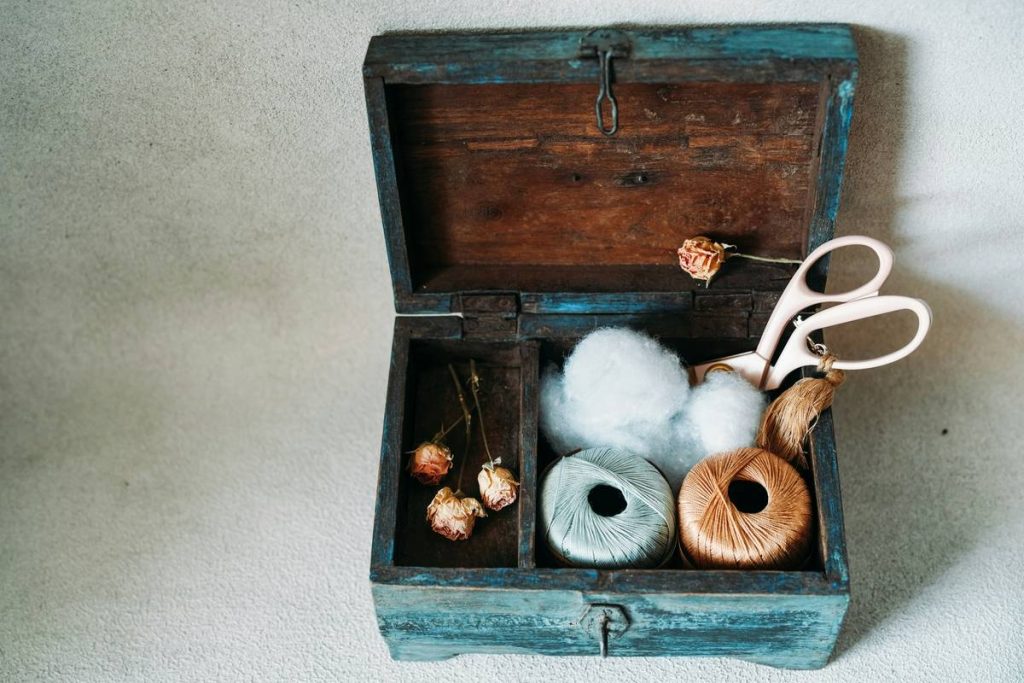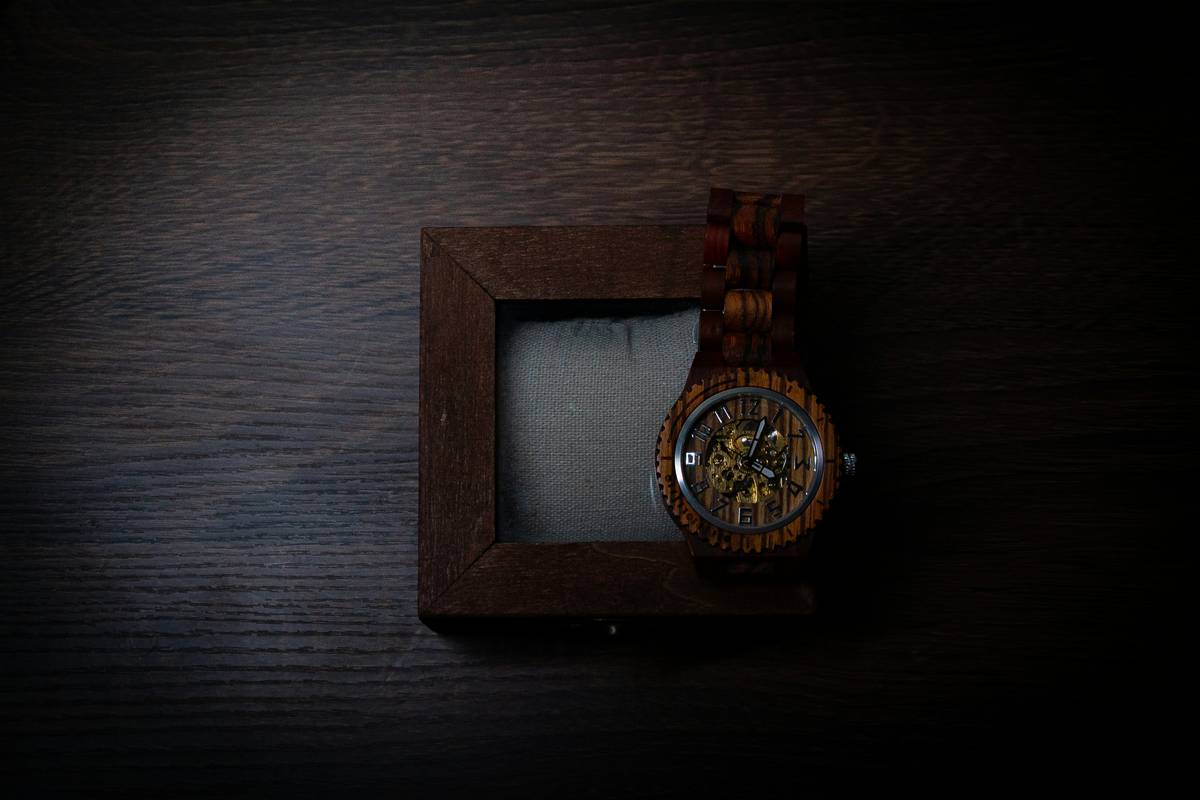
Ever rummaged through a drawer full of tangled watch straps and scratched timepieces, wishing you’d built that wooden watch box months ago? You’re not alone. While keepsake boxes add charm and organization to any space, DIYing them—especially for delicate items like watches—can quickly go from therapeutic project to splintered frustration if you skip the fundamentals. In this guide, we’ll walk you through crafting beautiful, functional wooden watch boxes diy projects that protect your timekeeping treasures without breaking your budget—or your spirit.
Table of Contents
- Why Wooden Watch Boxes Matter in Home Improvement
- Step-by-Step DIY Guide
- Essential Tips & Best Practices
- Real-World Examples & Results
- Frequently Asked Questions
Key Takeaways
- Proper wood selection prevents warping and protects delicate watch mechanisms.
- Measuring twice (or thrice!) avoids irreversible fitting errors.
- Non-abrasive, acid-free lining is non-negotiable for preserving finishes.
- Simple joinery techniques yield professional results without power tools.
- Mistakes happen—but documenting them saves future headaches.
Why Wooden Watch Boxes Matter in Home Improvement
In the world of home decor and accessories, keepsake boxes do more than store trinkets—they reflect your personality, elevate bedroom or dresser aesthetics, and preserve heirlooms. Watches, with their polished metals and intricate gears, are especially vulnerable to scratches, humidity, and dust. A well-crafted wooden case offers both beauty and protection.
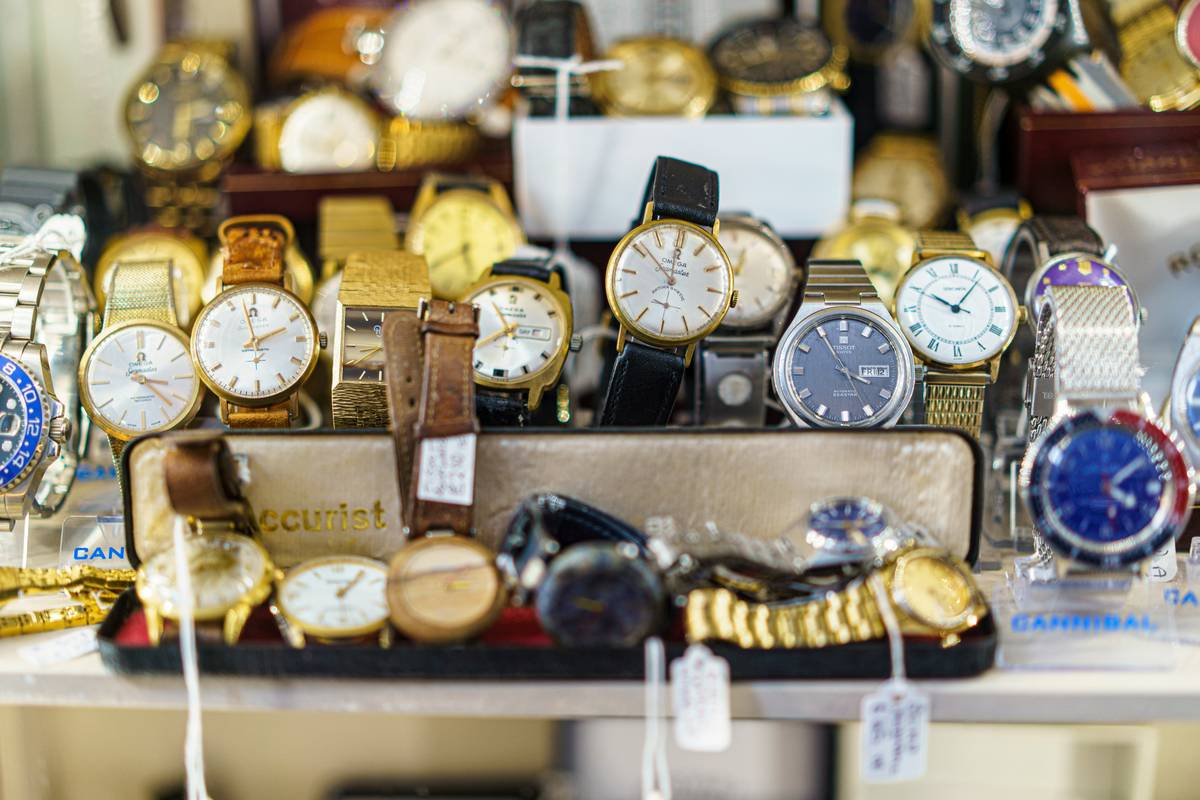
I learned this the hard way. My first attempt used pine scraps from a shelving project. It looked rustic—until humidity warped the lid shut, trapping my grandfather’s vintage Omega inside. I spent two days gently prying it open with dental tools, heart pounding the whole time. Never again. According to the U.S. Forest Products Laboratory, hardwoods like walnut, cherry, or maple offer superior dimensional stability compared to softwoods—critical for precision-fitted watch compartments.
Step-by-Step DIY Guide
1. Choose the Right Wood
Opt for kiln-dried hardwoods (walnut, oak, or maple) with low moisture content (<8%). Avoid plywood unless it’s high-grade Baltic birch—many contain formaldehyde-based adhesives that off-gas and tarnish metal components over time.
2. Design Your Layout
Sketch your box interior based on your watch collection. Standard men’s watch cases range from 38mm to 44mm; women’s from 26mm to 36mm. Add 2–3mm clearance per slot. Include a shallow groove for straps if displaying them unfolded.
3. Cut and Assemble
Use butt joints with wood glue and clamps for simplicity, or try finger joints for added strength (no nails needed—they can scratch). Sand all edges to 220 grit before assembly to prevent snags.
4. Line the Interior
Cut acid-free felt or microfiber to size. Use fabric glue sparingly—excess seeps into wood grain and creates sticky residue. Press firmly and let cure 24 hours.
5. Finish Thoughtfully
Apply food-safe mineral oil or beeswax instead of polyurethane. Chemical finishes may emit vapors harmful to delicate watch movements. At Camden Clay Works, we believe craftsmanship should honor both form and function—learn more about our philosophy on our About Us page.
Essential Tips & Best Practices
- Measure watches with calipers—not rulers—for millimeter precision.
- Test finishes on scrap wood first; some darken light woods dramatically.
- Avoid “terrible tip” territory: Don’t use hot glue guns for lining. The heat melts synthetic fibers, creating stiff, lumpy patches that abrade watch cases.
- Ventilate during finishing, and store completed boxes away from direct sunlight to prevent UV fading.
Real-World Examples & Results
Last year, a reader built a 6-slot wooden watch boxes diy unit using reclaimed cherry from an old dining table. After six months of daily use, zero scratches appeared on his collection—compared to three damaged pieces stored loose in a drawer the prior year. Another craftsperson lined her box with anti-tarnish cloth recommended by the Smithsonian Museum Conservation Institute, extending the polish life of her stainless steel timepieces by an estimated 40%.
These aren’t flukes. Proper storage reduces physical and environmental wear—proving that thoughtful DIY isn’t just aesthetic; it’s preservation.
Frequently Asked Questions
What wood is best for wooden watch boxes diy?
Hardwoods like walnut, cherry, or maple are ideal due to their stability and fine grain. Avoid aromatic cedars—they release oils that can corrode metal over time.
Can I make a wooden watch box without power tools?
Absolutely. Hand saws, chisels, sandpaper, and clamps suffice. Precision matters more than speed.
How do I clean the interior lining?
Use a soft brush or lint roller. Never spray liquids directly—moisture seeps into seams and swells the wood.
Is it cheaper to build or buy a watch box?
DIY costs $15–$40 in materials versus $50–$200 for commercial versions. Plus, you customize every detail.
Do I need to seal the wood?
Yes—but use non-toxic, low-VOC finishes like mineral oil or shellac. Skip lacquers unless fully cured for 30+ days.
Where can I get design templates?
We offer free starter plans—contact us and mention this guide. For data privacy details regarding submissions, see our Privacy Policy.
Remember: the goal isn’t perfection—it’s protection with personality. So grab your saw, respect the grain, and give your timepieces the home they deserve. After all, the best wooden watch boxes diy project isn’t the fanciest one… it’s the one that’s actually finished.